Spirulina has become a buzzword in the world of wellness—and for good reason. This blue-green algae is loaded with nutrients that can boost your energy, strengthen your immune system, and support your overall health. But what exactly makes spirulina so powerful? Let’s explore how this natural superfood benefits your body.
What Is Spirulina?
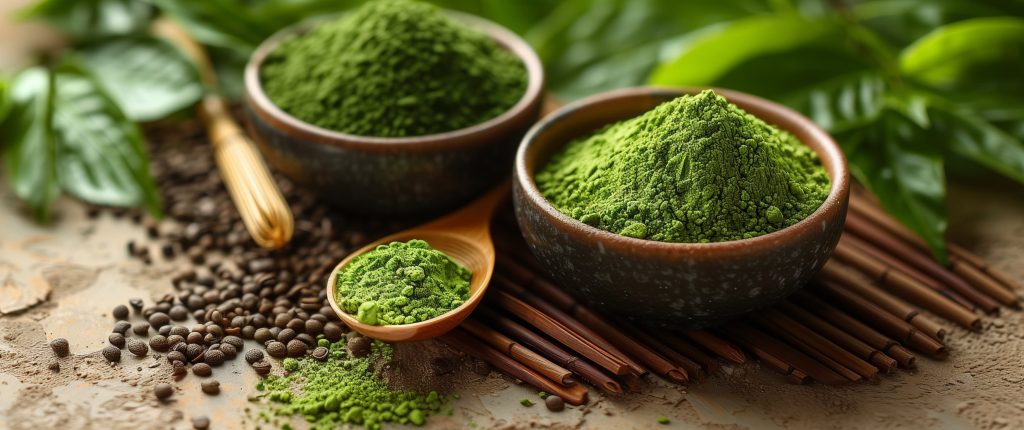
Spirulina is a type of cyanobacteria, often referred to as blue-green algae, that grows naturally in both freshwater and saltwater environments. Ancient civilizations such as the Aztecs consumed it for strength and endurance.
Today, spirulina is cultivated under clean, controlled conditions and sold as powder, tablets, or capsules, making it easy to add to your favorite smoothie or juice.
Its rich green color comes from chlorophyll and phycocyanin, a unique pigment with strong antioxidant properties.
Nutritional Profile: A Small Scoop Packed With Power
A single tablespoon of spirulina powder (around 7 grams) contains:
- 4 grams of protein
- Iron, calcium, and magnesium
- B-vitamins (especially B1, B2, and B3)
- Antioxidants and essential amino acids
That’s why spirulina is often called a nutrient-dense food. It’s especially beneficial for vegetarians, vegans, and athletes who need plant-based sources of protein and iron.
Boosts Energy and Reduces Fatigue
If you often feel drained or sluggish, spirulina might give you a natural lift.
It contains iron, which helps your body produce red blood cells and transport oxygen efficiently. This process can improve energy levels and endurance, especially during exercise or busy days.
Some users report that a morning smoothie with spirulina helps them feel more alert without the caffeine crash.
Strengthens the Immune System
Spirulina is a natural immune booster. Its antioxidants, including phycocyanin and beta-carotene, help reduce oxidative stress and support the body’s defense system.
Scientific research has shown that spirulina can enhance immune response by stimulating the production of antibodies and white blood cells.
One study published in the Journal of Medicinal Food (2000) found that spirulina extract increased antibody production and boosted natural killer (NK) cell activity in humans, improving the body’s ability to fight infections.
Source: Hayashi, O. et al., 2000, “Enhancement of antibody production in mice by dietary Spirulina platensis,” Journal of Medicinal Food, 3(3): 135–140. https://pubmed.ncbi.nlm.nih.gov/7891204/
These findings suggest that regular spirulina consumption may strengthen your immune system and help protect against everyday illnesses.
Supports Heart and Cholesterol Health
A growing body of research indicates that spirulina can promote cardiovascular wellness.
It may help:
- Lower “bad” LDL cholesterol
- Increase “good” HDL cholesterol
- Support healthy blood pressure levels
One well-known study published in the Journal of Medicinal Food (2008) found that participants who took 4.5 grams of spirulina daily for six weeks experienced a significant reduction in total cholesterol, LDL cholesterol, and triglyceride levels.
These combined effects contribute to a reduced risk of heart-related conditions when paired with a balanced diet and regular exercise.
Natural Detox and Anti-Inflammatory Support
Spirulina’s chlorophyll content helps detoxify heavy metals and supports liver health.
It also has anti-inflammatory properties, which can help reduce swelling and joint pain over time. Many people use it as part of a natural detox or wellness cleanse.
How to Add Spirulina to Your Routine
You can easily add spirulina to your daily meals. Try:
- Mixing a teaspoon of powder into smoothies or juices
- Sprinkling it over salads or yogurt
- Taking it as capsules or tablets for convenience
Start with small amounts and increase gradually to avoid digestive discomfort. Always choose a trusted, certified organic brand for purity and safety.
Is Spirulina Safe for Everyone?
Spirulina is generally safe for most people. However, if you are pregnant, breastfeeding, or have autoimmune conditions, it’s best to consult your healthcare provider before taking supplements.
Also, make sure your spirulina is sourced from reputable farms to avoid contamination with harmful bacteria or toxins.
Final Thoughts
Spirulina isn’t just another wellness trend—it’s one of nature’s most complete nutrient sources. From improving energy and immunity to supporting heart health, this superfood can truly make a difference in your well-being.
If you’re looking for a simple, natural way to boost your nutrition, adding spirulina to your diet is a smart start.
A spoon a day could be the green step toward a healthier, more vibrant you.

Sunil is the creator of Spirulina Wellness, a blog dedicated to sharing research-backed information about spirulina, and healthy habits. Sunil is not a doctor, fitness coach, or medical professional. His interest in spirulina began from his own experience improving his lifestyle and wellness through natural supplements.