Spirulina has become one of the most researched algae supplements in recent years. Known for its vivid green-blue color and impressive nutrient profile, it offers various health-promoting properties when consumed regularly. Here’s a closer look at what science and nutrition experts say about spirulina.
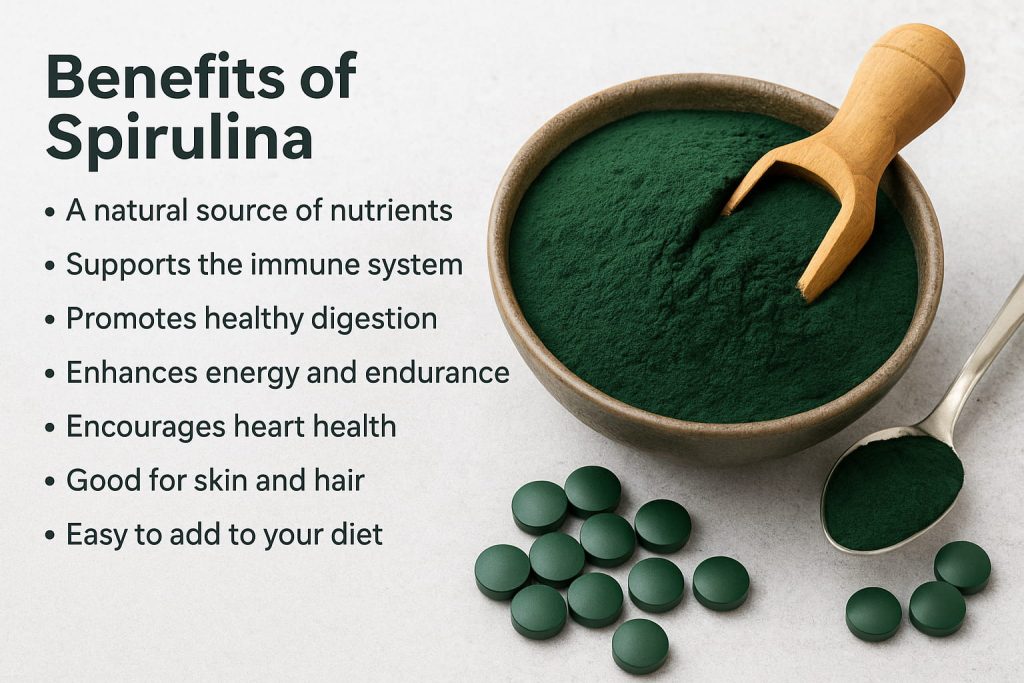
What Is Spirulina?
Spirulina is a microscopic algae that grows in both freshwater and saltwater. It’s been consumed for centuries — ancient Aztecs harvested it from Lake Texcoco, and today it’s widely farmed in places like India, Hawaii, and Thailand.
Unlike many supplements, spirulina is a whole food — meaning it contains a broad range of nutrients in their natural form, not synthetic isolates.
Nutritional Profile
According to the USDA, a single tablespoon of spirulina powder provides:
- Around 4 grams of protein, including all essential amino acids
- Iron, magnesium, and potassium
- B vitamins (B1, B2, B3) for metabolism and energy
- Powerful antioxidants such as phycocyanin and beta-carotene
Scientifically Supported Benefits
1. Supports Immunity and Reduces Inflammation
The antioxidant phycocyanin helps fight oxidative stress, supporting immune health. Research in Journal of Medicinal Food (2020) found spirulina may increase antibody production and reduce inflammatory markers.
For more information, read our guide on How Spirulina Boosts Immunity Naturally.
2. Boosts Energy and Endurance
Iron and B vitamins assist the body in producing energy efficiently. Many athletes use spirulina before workouts to enhance endurance and oxygen delivery.
3. Promotes Heart Health
Clinical studies suggest it may help reduce LDL (bad) cholesterol and triglycerides while improving HDL (good) cholesterol.
4. Encourages Detox and Gut Health
Spirulina acts as a gentle detox enhancer by binding heavy metals. It also supports healthy gut bacteria and digestive enzymes.
Spirulina’s positive effect on gut health has been explored in detail. For more information, read our guide on Spirulina and Gut Health.
How to Use Spirulina
You can find spirulina as powder, capsules, or tablets. The powder mixes easily into:
- Smoothies (with pineapple or mango to balance the earthy flavor)
- Juice or lemon water
- Homemade energy bites or protein bars
A typical serving size is 1–2 teaspoons per day, but start small to ensure tolerance.
Side Effects and Precautions
People with autoimmune conditions or phenylketonuria (PKU) should consult a healthcare professional before use. Always purchase lab-tested spirulina from verified brands to avoid contamination.
Final Thoughts
Spirulina isn’t just a trendy supplement — it’s a time-tested natural food with real nutritional value. When combined with a balanced diet, it can contribute to improved energy, immunity, and overall well-being.

Sunil is the creator of Spirulina Wellness, a blog dedicated to sharing research-backed information about spirulina, and healthy habits. Sunil is not a doctor, fitness coach, or medical professional. His interest in spirulina began from his own experience improving his lifestyle and wellness through natural supplements.