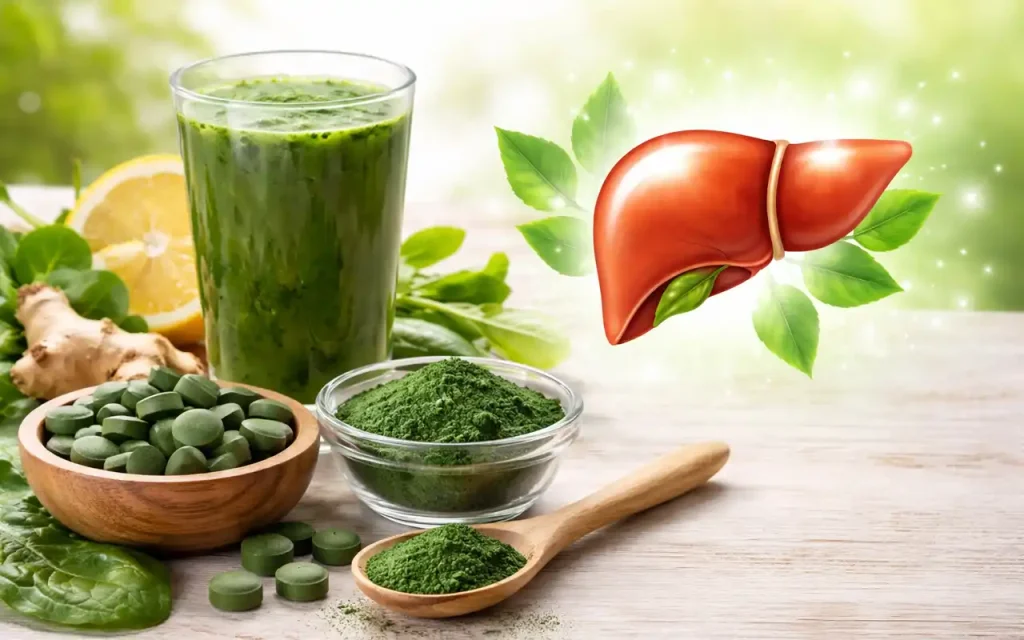
Spirulina is a blue-green algae often described as a natural superfood due to its dense nutritional 🌿 content. It has been used for decades as a dietary supplement and continues to attract attention in the wellness community. At the same time, liver health is increasingly important because the liver plays a central role in detoxification, metabolism, and overall balance in the body. Lifestyle habits, environmental exposure, and diet choices can all affect how well this vital organ functions. For this reason, many people are exploring spirulina as part of a mindful, natural approach to supporting liver wellness without relying on extreme or unproven methods.
Understanding Liver Health and Its Role in the Body
The liver is one of the hardest-working organs in the human body. It helps process nutrients from food, breaks down substances, and supports the body’s natural detoxification systems. Every day, the liver filters blood, supports digestion through bile production, and plays a role in regulating cholesterol and blood sugar levels. Because of these responsibilities, the liver is sensitive to long-term stress.
Modern lifestyle factors can challenge liver health over time. Diets high in processed foods, excessive alcohol intake, exposure to environmental toxins, chronic stress, and lack of physical activity may all place additional strain on liver function. While the liver is resilient, supporting it through balanced nutrition and healthy habits is often viewed as a proactive approach to long-term wellness.
- The liver filters toxins and supports digestion
- It helps regulate blood sugar and cholesterol
- Poor diet and stress may impact liver efficiency
- Supporting liver health is part of long-term wellness
What Is Spirulina and Where Does It Come From Naturally
This is a type of blue-green algae that grows naturally in freshwater environments, particularly in warm climates 🌊. It has been consumed for centuries in various cultures due to its nutrient density and natural origin. Today, it is commonly dried and available in powder or tablet form for dietary use.
Nutritionally, this is known for its high protein content, containing essential amino acids that contribute to daily nutrition. It also provides vitamins, minerals, and antioxidants, including phycocyanin, which gives spirulina its distinctive color. Importantly, it is valued in wellness discussions for its natural composition rather than as a treatment or cure for any condition.
How Spirulina May Support Liver Health Naturally
When discussing spirulina and liver health, much of the interest centers on its antioxidant properties ✨. Antioxidants are compounds that help neutralize free radicals, which are unstable molecules that can contribute to oxidative stress in the body. Oxidative stress is commonly linked to general cellular strain, including in liver cells.
- Spirulina contains antioxidant compounds
- Antioxidants may help manage oxidative stress
- Spirulina may complement natural liver processes
Spirulina as Part of a Liver-Friendly Lifestyle Approach
Incorporating spirulina into a liver-friendly lifestyle works best when combined with other healthy habits 🥗. Nutrition plays a key role, with an emphasis on whole foods such as fruits, vegetables, whole grains, and healthy fats. These foods naturally provide fiber and nutrients that support digestion and metabolism.
Hydration is another important factor, as adequate water intake helps the body carry out normal detoxification processes. Regular physical activity supports circulation and metabolic health, while quality sleep allows the body time to restore and rebalance. In this broader context, spirulina may serve as a complementary addition rather than a primary focus, fitting into a routine that prioritizes overall wellness.
Safety, Quality, and Important Considerations to Keep in Mind
Quality matters when it comes to spirulina supplements 🛡️. Because it is derived from natural water sources, it is important to choose products that are tested for purity and free from contaminants. Reputable manufacturers often provide third-party testing information to ensure safety and quality.
Certain individuals, such as those who are pregnant, nursing, or managing specific health conditions, may wish to consult a healthcare professional before adding spirulina to their routine. This is a general precaution and not a warning. As with any dietary supplement, mindful use and informed choices help ensure that it remains a supportive part of a balanced lifestyle.
Frequently Asked Questions About Spirulina and Liver Health
Q1. Is spirulina good for liver health?
Yes, because it contains antioxidants that may help support the body’s natural defense systems.
Q2. Is spirulina safe for daily use?
For many people, spirulina is generally considered safe when used as part of a balanced diet.
Q3. How long does it take to notice benefits?
The timeframe for noticing general wellness effects can vary from person to person. Benefits are often linked to consistent use alongside healthy lifestyle habits rather than immediate results.
Q4. Can spirulina detox the liver?
The liver naturally detoxifies the body on its own. Spirulina does not detox the liver directly but may support natural processes through its antioxidant content.
Q5. Is spirulina suitable for everyone?
While many people include spirulina in their diets without issues, it may not be suitable for everyone. Those with certain medical conditions or sensitivities should seek personalized advice. Moderation and awareness are key when introducing any new supplement.
Conclusion
Liver health is essential for overall well-being, and supporting it involves a combination of mindful lifestyle choices 🌱. Spirulina, as a nutrient-rich blue-green algae, is often explored for its antioxidant properties and potential role in supporting natural liver function. Scientific research suggests promising associations, but it is important to approach these findings with balance and realism.
Rather than viewing it as a solution, it is best understood as one part of a broader wellness approach that includes nutritious food, regular activity, hydration, and rest. By making informed and thoughtful choices, individuals can explore it as a natural addition to a healthy, liver-friendly lifestyle while staying grounded in evidence-based wellness practices.

Sunil is the creator of Spirulina Wellness, a blog dedicated to sharing research-backed information about spirulina, and healthy habits. Sunil is not a doctor, fitness coach, or medical professional. His interest in spirulina began from his own experience improving his lifestyle and wellness through natural supplements.