Spirulina has earned global recognition as one of the most nutrient-dense foods available today—but its reputation grew even stronger when NASA began exploring it as a possible food source for astronauts. The idea of growing a natural superfood in space may sound futuristic, but NASA’s research helped show why spirulina could support long-term health even in challenging environments.
This article explores what NASA has said about spirulina, why it caught their attention, and how these findings relate to everyday life on Earth.
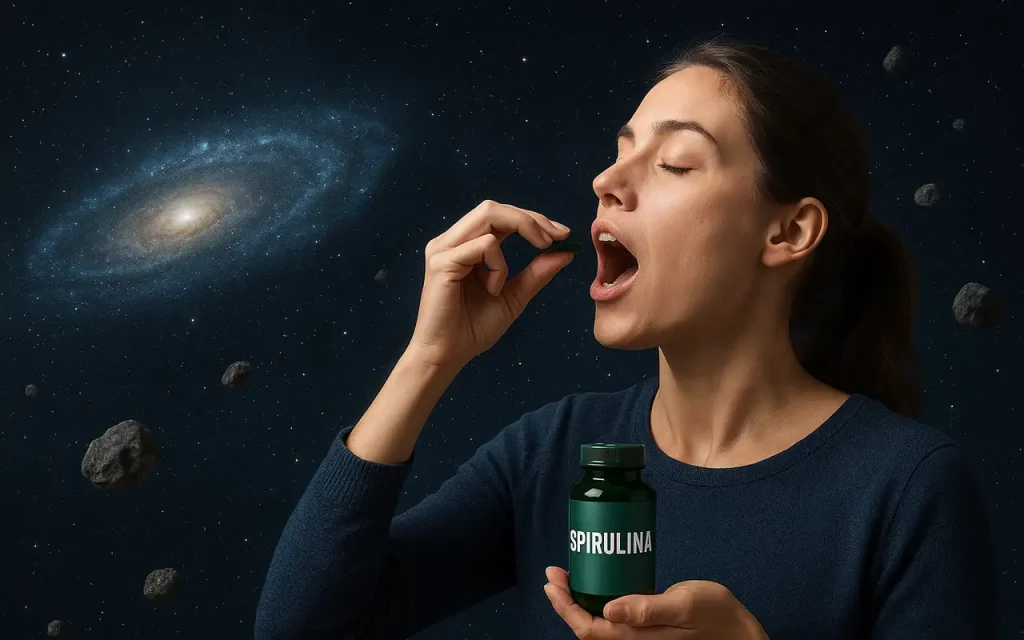
Why NASA Became Interested in Spirulina
NASA has always searched for compact, efficient, and nutrient-rich foods that can keep astronauts healthy during long missions. That’s where spirulina stood out.
According to NASA’s published research and conference papers over the years, spirulina impressed scientists because:
1. It grows extremely fast
Spirulina reproduces rapidly, making it ideal for closed environments like spacecraft or lunar bases.
2. It requires minimal resources
It grows using very little water, sunlight (or artificial light), and space.
3. It contains a wide range of essential nutrients
NASA highlighted spirulina as a potential space food because it provides protein, vitamins, minerals, and antioxidants in a very small amount of biomass.
In some NASA documents from the 1980s and 1990s, spirulina was mentioned in the context of Closed Ecological Life Support Systems (CELSS)—projects exploring sustainable food production in space.
The Nutritional Power That Caught NASA’s Attention
One tablespoon of spirulina provides a surprisingly high concentration of nutrients, including:
- Complete protein (contains all essential amino acids)
- Iron and magnesium
- B vitamins
- Antioxidants like phycocyanin
- Essential fatty acids
These nutrients help support energy, focus, and general wellness—critical factors for astronauts working under demanding physical and mental conditions.
While it is not meant to replace balanced meals, spirulina was considered a strong nutrient-supportive option for space missions.
How NASA’s Interest Influenced Modern Spirulina Use
After spirulina appeared in NASA discussions, it gained global popularity as a dietary supplement. Today, spirulina is widely used by:
- Athletes
- Students
- Professionals
- Vegetarians and vegans
- People seeking natural nutrition support
It is available as powder, capsules, tablets, and blended into wellness shakes. Its high protein content and antioxidant profile make it a popular choice in health-conscious communities.
Spirulina and Sustainability: NASA’s Vision for the Future
Another reason NASA examined spirulina was sustainability.
In closed-loop systems—like spacecraft or future Mars habitats—resources must be used efficiently. Spirulina fits well in such environments because:
- It absorbs carbon dioxide
- It releases oxygen
- It can be grown repeatedly in small spaces
- It requires fewer resources than traditional crops
On Earth, these same characteristics make spirulina an eco-friendly alternative to resource-heavy farming methods.
How You Can Include Spirulina in Your Routine
You don’t need to be an astronaut to benefit from spirulina. People commonly use it by:
- Adding spirulina powder to smoothies or juices
- Mixing it with lemon water for a quick drink
- Taking spirulina capsules with meals
- Blending it into protein shakes
For beginners, starting with half a teaspoon is usually recommended.
Conclusion
NASA’s research helped highlight spirulina as a nutrient-rich, sustainable, and future-friendly food source—capable of supporting both astronauts and everyday people. While spirulina isn’t a magic cure, its impressive nutritional profile and environmental benefits explain why it continues to be recognized as one of the most remarkable natural superfoods.
Whether used in smoothies, supplements, or wellness drinks, spirulina offers a simple way to support a healthy lifestyle—right here on Earth.
Frequently Asked Questions (FAQ)
Q1. Why is spirulina called a superfood?
Because it contains protein, vitamins, minerals, and antioxidants that support full-body wellness.
Q2. Can I take spirulina every day?
Yes, spirulina can be taken daily as part of a healthy diet or wellness routine.
Q3. How does spirulina help in boosting energy?
Its rich protein and iron content naturally support energy and stamina.
Q4. Is spirulina safe for everyone?
Most people can use it safely, but consult a doctor if you have allergies or health conditions.
Q5. What is the best way to consume spirulina?
It can be taken as tablets or powder or mixed into smoothies and shakes.
Q6. Does spirulina help the immune system?
Yes, spirulina’s antioxidants and nutrients help strengthen immunity.
Q7. Can spirulina replace meals?
It’s not a meal replacement but a dietary supplement that enhances nutrition.

Sunil is the creator of Spirulina Wellness, a blog dedicated to sharing research-backed information about spirulina, and healthy habits. Sunil is not a doctor, fitness coach, or medical professional. His interest in spirulina began from his own experience improving his lifestyle and wellness through natural supplements.