From Japanese smoothies to American protein shakes, spirulina has quietly become one of the world’s most popular superfoods. Packed with protein, vitamins, antioxidants, and chlorophyll, this blue-green algae has earned a reputation for boosting energy, supporting immunity, and promoting overall wellness.
But which country consumes the most spirulina—and why?
Let’s explore how this powerful superfood is being embraced across the globe.
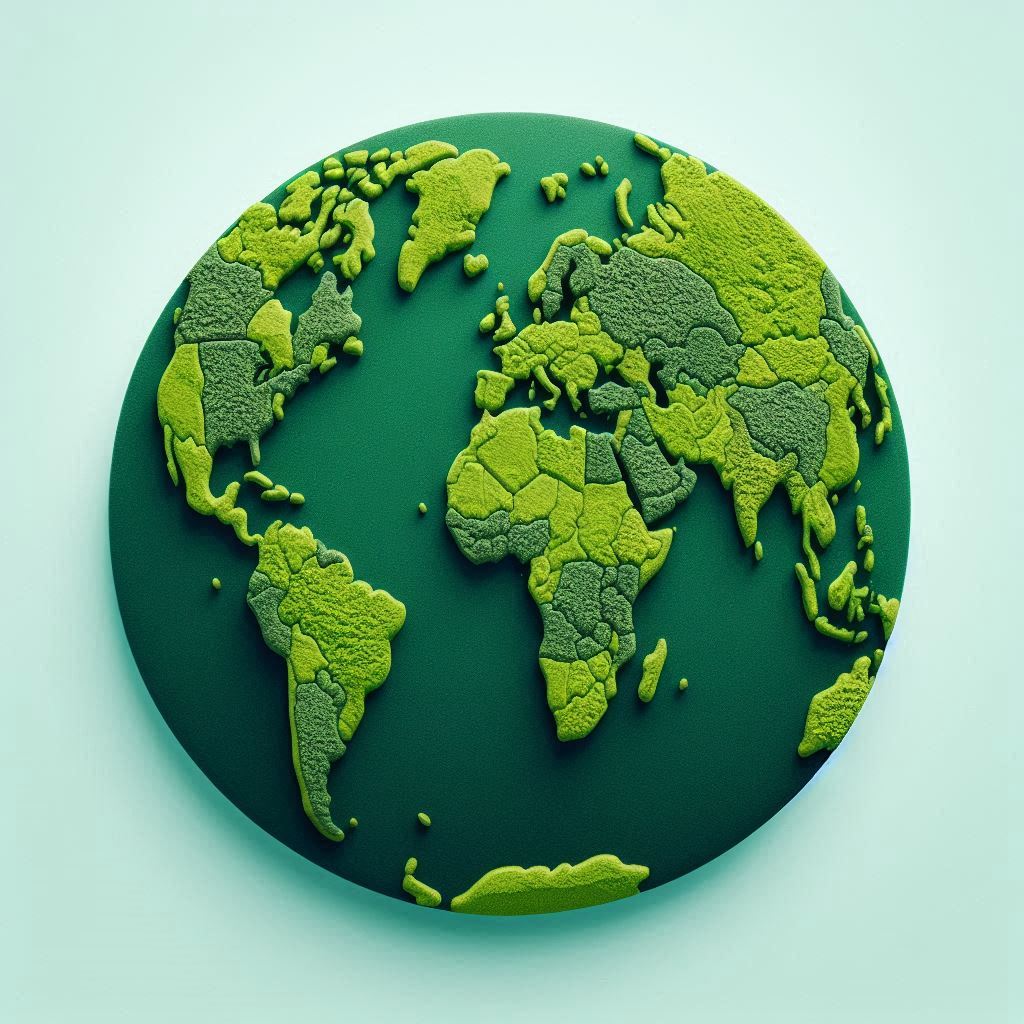
🌀 What Is Spirulina and Why Is It So Popular?
Spirulina is a nutrient-dense algae that grows naturally in both fresh and saltwater. It’s one of the richest plant-based sources of complete protein, containing all essential amino acids. It’s also high in vitamins B1, B2, B3, iron, magnesium, and antioxidants like phycocyanin — the pigment responsible for its striking blue-green color.
These impressive nutrients make spirulina a favorite among:
- Vegans and vegetarians looking for a clean protein source
- Athletes seeking an energy and recovery boost
- Health-conscious consumers aiming to support immunity and detoxification
👉 For a deeper dive, check out our full guide: Spirulina
🇺🇸 Spirulina Consumption in the United States
The United States leads global spirulina consumption, driven by the booming demand for plant-based and functional foods. According to Grand View Research (2024), the U.S. spirulina market exceeds $200 million annually and continues to grow by 8–10% per year.
Health enthusiasts across the U.S. use spirulina in:
- Smoothies and protein shakes
- Energy bars and wellness supplements
- Detox drinks and green powders
With its reputation as a sustainable superfood, spirulina aligns perfectly with the growing trend of mindful, eco-conscious living.
🇯🇵 Japan: The Original Spirulina Powerhouse
Japan has been one of the earliest adopters of spirulina — long before it became trendy in the West. The Japanese wellness industry embraced spirulina decades ago for its anti-aging, immune-support, and energy-boosting properties.
Popular uses in Japan include:
- Spirulina mixed into traditional green beverages like Aojiru
- Health tablets and functional foods
- Skin and beauty supplements targeting oxidative stress
With an aging population focused on longevity, spirulina remains a trusted daily supplement for millions of Japanese consumers.
🇲🇽 Mexico: The Birthplace and Major Producer
Interestingly, spirulina’s roots trace back to Mexico — where the Aztecs harvested it from Lake Texcoco centuries ago. Today, Mexico continues to play a vital role as one of the largest spirulina producers globally.
While domestic consumption is growing, much of Mexico’s spirulina production is exported to the U.S., Europe, and Asia. Within Mexico, spirulina is increasingly used in:
- Natural smoothies and energy drinks
- Snack bars and local wellness products
- Community nutrition programs promoting healthy eating
🇩🇪 Europe’s Expanding Spirulina Market
Across Europe, spirulina consumption is booming — especially in Germany, France, and the UK. The European market emphasizes organic production, sustainability, and traceability, with many consumers choosing spirulina as an alternative to animal-based protein.
In France and Germany, spirulina farms are even being promoted as eco-friendly agricultural innovations due to their minimal land and water requirements. Consumers often use spirulina in:
- Natural supplements and capsules
- Vegan recipes and bakery items
- Green juices and wellness powders
🌍 Africa: Spirulina as a Tool Against Malnutrition
In regions like Chad, Kenya, and Uganda, spirulina is valued not only as a health supplement but as a lifesaving food source. Local NGOs and communities cultivate spirulina to combat malnutrition, especially among children and vulnerable populations.
Projects supported by the UN World Food Programme have shown that spirulina’s high protein and micronutrient density can significantly improve nutrition in food-insecure areas. This makes it both a superfood and a social solution for sustainable nutrition.
📊 Global Spirulina Consumption Snapshot (2025 Estimates)
| Rank | Country | Key Usage Trend | Market Insight |
|---|---|---|---|
| 1️⃣ | United States | Plant-based supplements | $200M+ market size |
| 2️⃣ | Japan | Longevity & wellness | Strong traditional use |
| 3️⃣ | Germany & France | Sustainable protein | Growing organic farming |
| 4️⃣ | Mexico | Export & smoothies | Major global producer |
| 5️⃣ | Chad & Uganda | Nutrition programs | Used to fight malnutrition |
(Sources: Grand View Research 2024, MarketWatch Nutrition Report 2025)
💬 Final Thoughts
While the United States currently leads global spirulina consumption, Japan, Mexico, and parts of Europe and Africa are quickly expanding their use — for both nutrition and sustainability.
Spirulina isn’t just a passing trend; it’s a glimpse into the future of sustainable nutrition. Whether you blend it into your morning smoothie or take it as a capsule, you’re joining millions around the world who are fueling their health naturally.
👉 Want to learn more? Explore our full guide on Spirulina Benefits

Sunil is the creator of Spirulina Wellness, a blog dedicated to sharing research-backed information about spirulina, and healthy habits. Sunil is not a doctor, fitness coach, or medical professional. His interest in spirulina began from his own experience improving his lifestyle and wellness through natural supplements.